
Any Question
+91 9225530680
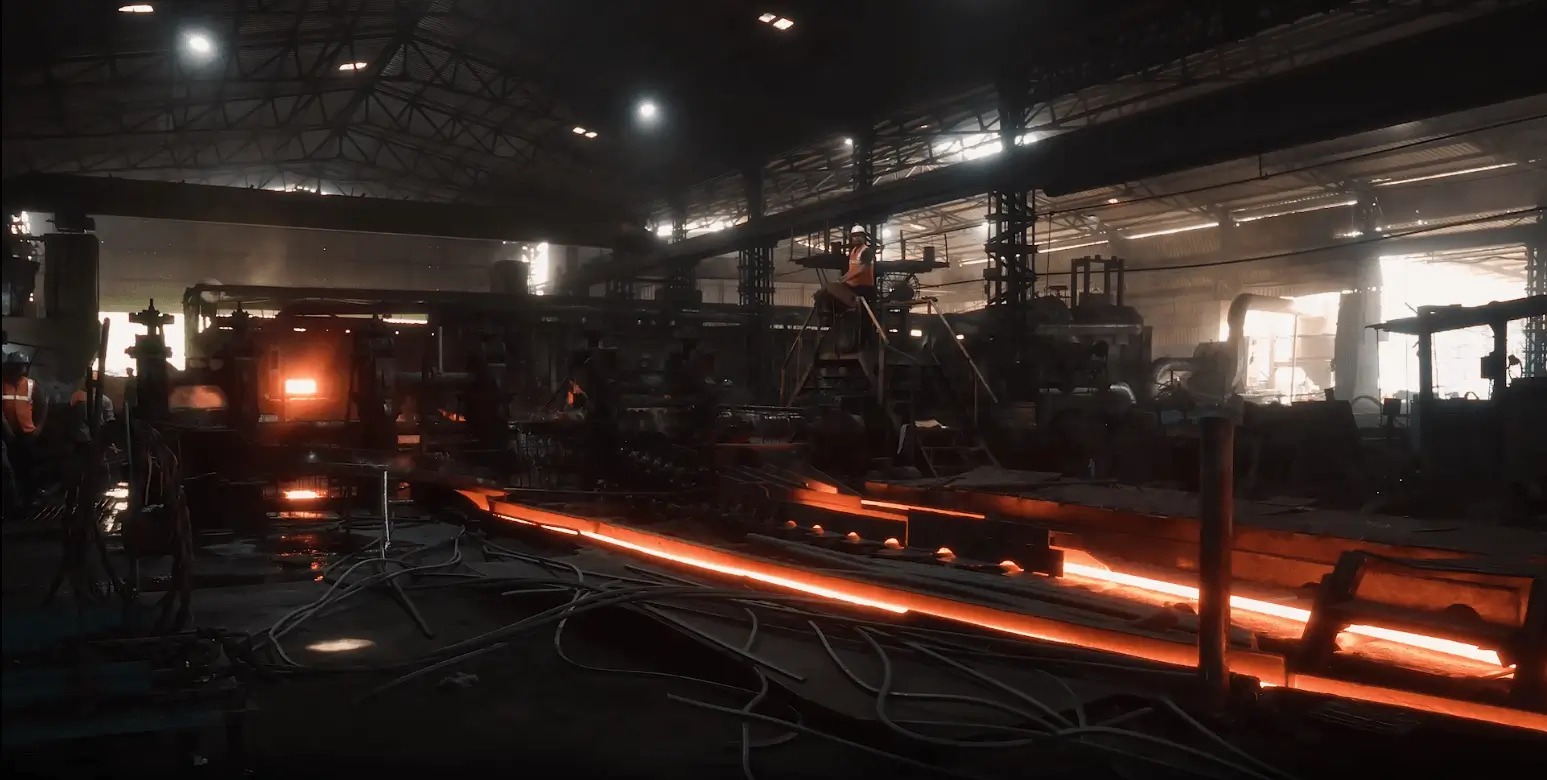
When it comes to constructing durable buildings, bridges, highways, dams, or industrial structures, the quality of reinforcement steel plays a critical role. Premium TMT (Thermo Mechanically Treated) bars are engineered to provide superior strength, flexibility, ductility, and corrosion resistance, making them the preferred choice for modern RCC construction.
However, the exceptional performance of premium TMT bars begins long before they reach a construction site. It starts with a carefully controlled manufacturing process that combines advanced metallurgy, precision engineering, and rigorous quality control.
In this guide, we’ll explore the complete manufacturing process of premium TMT bars—from selecting raw materials to the final dispatch—so you can understand what makes high-quality TMT bars stronger, safer, and more reliable.
The strength of a TMT bar is determined not only by the grade of steel but also by the manufacturing technology used. Every stage of production directly influences important properties such as:
A well-controlled manufacturing process ensures consistent quality and reliable structural performance.
The manufacturing journey begins with selecting premium-quality raw materials. The primary materials generally include:
Every batch of incoming raw material undergoes stringent inspection and quality verification before entering production.
Benefits of high-quality raw materials:
Without superior raw materials, producing premium-quality TMT bars is nearly impossible.
After inspection, the raw materials are melted in advanced induction furnaces under controlled temperatures.
During this stage:
Modern spectrometers continuously monitor the molten steel’s chemical composition to ensure compliance with industry standards.
This refining process creates clean, homogeneous steel with consistent mechanical characteristics.
Once refined, the molten steel is transferred to a Continuous Casting Machine (CCM), where it is directly converted into steel billets.
| Common Billet Sizes |
|---|
| 100 × 100 mm |
| 110 × 110 mm |
| 125 × 125 mm |
| 160 × 160 mm |
Advantages of Continuous Casting:
Billets serve as the primary raw material for manufacturing premium TMT bars.
The billets are reheated to rolling temperatures and passed through multiple rolling stands that gradually reduce their size while forming the required bar diameter.
During rolling:
This stage determines the final size and rib pattern of the reinforcement bar.
The Thermo-Mechanical Treatment (TMT) process is the heart of premium TMT bar manufacturing. It produces the unique combination of high strength and superior ductility.
Immediately after rolling, hot steel bars pass through a specially designed water-cooling system.
Heat retained inside the bar naturally reheats the hardened outer layer, creating a tempered martensitic structure.
The bars are cooled naturally on cooling beds under controlled conditions.
The combination of a hardened outer layer and a ductile inner core gives premium TMT bars their exceptional mechanical properties.
Every production batch undergoes comprehensive testing in an in-house laboratory before being approved for dispatch.
Key Quality Tests
Only bars that successfully pass every quality parameter are approved for distribution.
In an integrated manufacturing setup, billet production and TMT rolling are carried out within the same manufacturing facility.
Key Advantages
Integrated manufacturing minimizes dependency on external billet suppliers and ensures consistency throughout the production process.
Before dispatch, finished TMT bars undergo several final quality checks, including:
Efficient logistics and systematic distribution ensure that high-quality reinforcement steel reaches construction sites safely and on time.
These qualities make premium TMT bars an ideal choice for residential, commercial, industrial, and infrastructure projects.
The manufacturing process of premium TMT bars is a combination of advanced metallurgy, precision engineering, and stringent quality control. From selecting high-grade raw materials and producing billets through continuous casting to precision rolling, thermo-mechanical treatment, and comprehensive laboratory testing, every stage contributes to the strength, durability, and reliability of the finished product.
For engineers, contractors, architects, and homeowners, understanding how TMT bars are manufactured helps in selecting reinforcement steel that delivers long-term structural performance, enhanced safety, and excellent value for investment. Choosing premium TMT bars manufactured under controlled processes is an investment in stronger, more resilient, and longer-lasting construction.