
Any Question
+91 9225530680
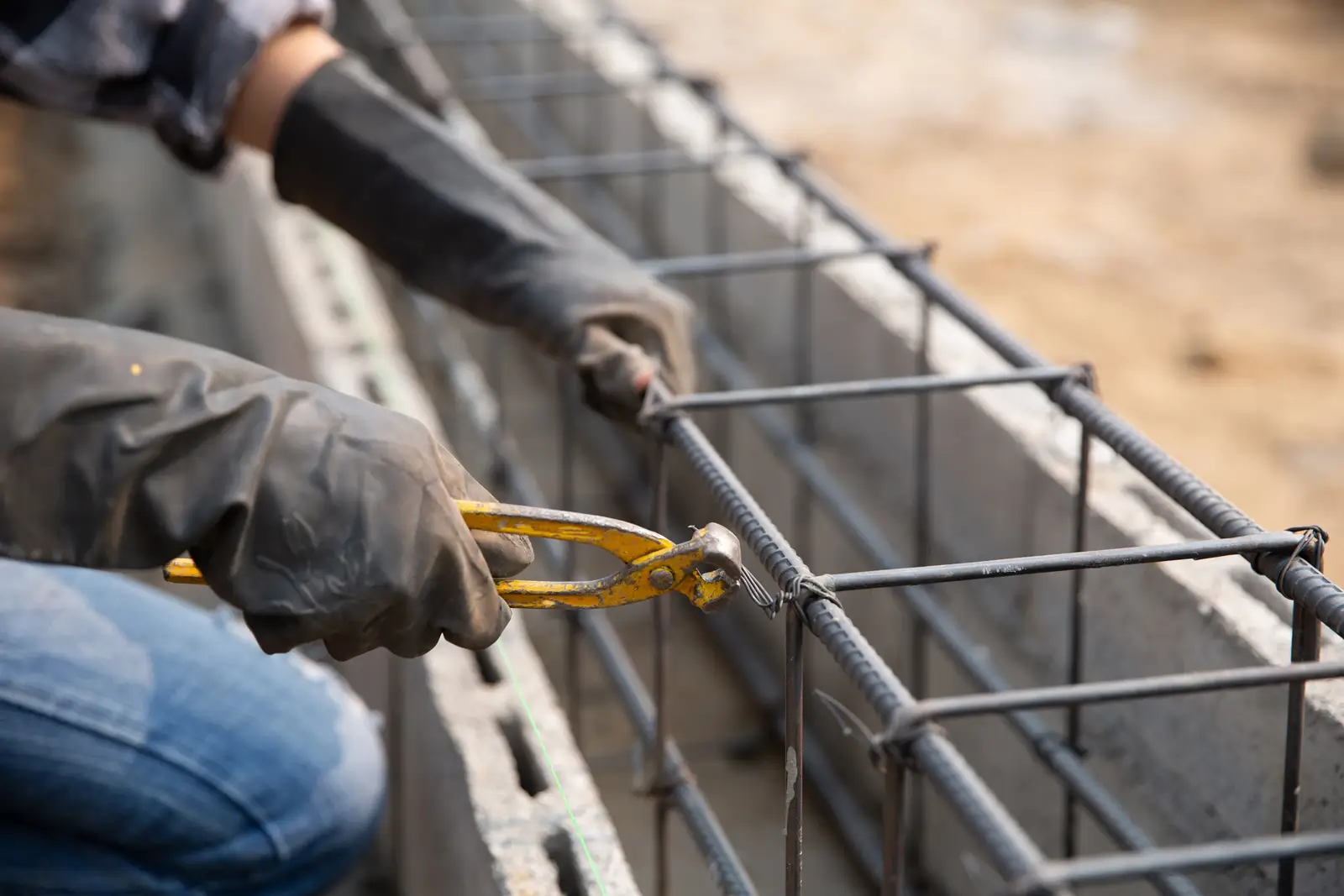
When it comes to constructing residential homes, commercial buildings, industrial facilities, bridges, or high-rise structures, the quality of reinforcement steel directly impacts the strength, durability, and safety of the building. Reinforcement bars serve as the backbone of reinforced cement concrete (RCC), enabling structures to withstand heavy loads, environmental conditions, and seismic forces.
One of the most common questions among homeowners, builders, contractors, architects, and civil engineers is: TMT Bars vs Ordinary Steel Bars – Which is the better choice for RCC construction?
While ordinary mild steel (MS) bars were once widely used in construction, advancements in steel manufacturing have led to the development of Thermo-Mechanically Treated (TMT) Bars, which offer significantly better strength, flexibility, corrosion resistance, and earthquake performance.
In this guide, we’ll compare TMT bars and ordinary steel bars in terms of manufacturing process, strength, durability, corrosion resistance, weldability, fire resistance, and overall value to help you choose the best reinforcement steel for your construction project.
Every RCC structure depends on reinforcement steel to bear tensile loads and maintain structural integrity. Choosing the wrong reinforcement can result in:
Premium-quality TMT bars provide greater structural safety, improved durability, and long-term cost savings.
Ordinary steel bars, commonly known as Mild Steel (MS) Bars, are plain reinforcement bars manufactured using conventional hot rolling processes. They contain relatively low carbon content, making them easy to bend and weld.
However, compared to TMT bars, mild steel bars offer lower tensile strength and limited corrosion resistance, making them less suitable for modern RCC construction.
Common Applications of Mild Steel Bars
Thermo-Mechanically Treated (TMT) Bars are high-strength reinforcement bars manufactured using an advanced thermo-mechanical treatment process.
During production, hot steel bars are rapidly quenched with water immediately after rolling, creating a hardened outer layer while maintaining a soft and ductile inner core.
This unique manufacturing process provides:
| Feature | Ordinary Steel Bars | TMT Bars |
|---|---|---|
| Manufacturing Process | Conventional Hot Rolling | Thermo-Mechanical Treatment |
| Cooling Method | Natural Cooling | Rapid Water Quenching |
| Surface | Plain | Ribbed |
| Internal Structure | Uniform | Hard Exterior with Ductile Core |
| Bond with Concrete | Moderate | Excellent |
The thermo-mechanical treatment process significantly improves the mechanical properties of TMT bars, making them stronger, more durable, and better suited for RCC construction.
| Property | Ordinary Steel Bars | TMT Bars |
|---|---|---|
| Tensile Strength | Moderate | Very High |
| Yield Strength | Lower | Higher |
| Load Bearing Capacity | Moderate | Excellent |
| Structural Stability | Standard | Superior |
Benefits of Higher Strength
Corrosion is one of the leading causes of structural deterioration, especially in coastal and humid regions.
Ordinary Steel Bars
TMT Bars
TMT bars possess exceptional ductility, allowing them to absorb seismic energy without sudden failure.
Advantages During Earthquakes
These properties make TMT bars the preferred choice for earthquake-prone regions.
High-quality TMT bars offer excellent thermal stability and maintain their structural integrity at elevated temperatures.
Bridges, industrial plants, and commercial buildings experience repeated loading throughout their service life.
TMT bars provide excellent fatigue resistance, making them ideal for:
Construction often requires reinforcement bars to be welded during fabrication.
Ordinary Steel Bars
TMT Bars
The ribbed surface of TMT bars creates stronger mechanical interlocking with concrete than ordinary plain steel bars.
Benefits of Better Bonding
| Ordinary Steel Bars | TMT Bars |
|---|---|
| Lower Initial Cost | Slightly Higher Initial Investment |
| Higher Maintenance | Lower Maintenance |
| Lower Durability | Longer Lifespan |
| Higher Steel Consumption | Optimized Steel Consumption |
Although TMT bars may have a slightly higher upfront cost, they reduce maintenance expenses, improve durability, and provide better long-term value.
Premium TMT bars are widely used across different construction sectors.
| Feature | Mild Steel Bars | TMT Bars |
|---|---|---|
| Strength | Moderate | Excellent |
| Earthquake Resistance | Low | Excellent |
| Corrosion Resistance | Moderate | Excellent |
| Fire Resistance | Moderate | Excellent |
| Fatigue Resistance | Low | High |
| Weldability | Good | Excellent |
| Ductility | Low | High |
| Bond with Concrete | Moderate | Excellent |
| Lifespan | Moderate | Long |
| Maintenance | Higher | Lower |
| Best for RCC Construction | No | Yes |
The growing preference for TMT bars is driven by their superior performance in every critical aspect of structural engineering.
The debate between TMT Bars and Ordinary Steel Bars extends far beyond cost—it’s about ensuring structural safety, long-term durability, and maximum value for your investment. While ordinary mild steel bars may still be suitable for light-duty and non-structural applications, they cannot match the performance and reliability of modern TMT bars.
Thanks to their advanced thermo-mechanical manufacturing process, TMT bars provide superior tensile strength, enhanced ductility, excellent corrosion resistance, improved weldability, exceptional earthquake performance, and a stronger bond with concrete. These advantages make them the industry-standard reinforcement steel for RCC construction across residential, commercial, industrial, and infrastructure projects.